Rule the Road: Best Driver Training Courses and Instruction for First-Time Drivers
Managing the journey of becoming a skilled driver can be intimidating for new beginners. Selecting the right driving program is crucial, as it influences the foundation of their driving education. Various options exist, from individual sessions to digital programs. Each provides specific benefits tailored to individual preferences. Recognizing what to expect in beginning lessons and essential skills is important. However, the real question remains: how can new drivers ensure they are truly ready for the road to come?
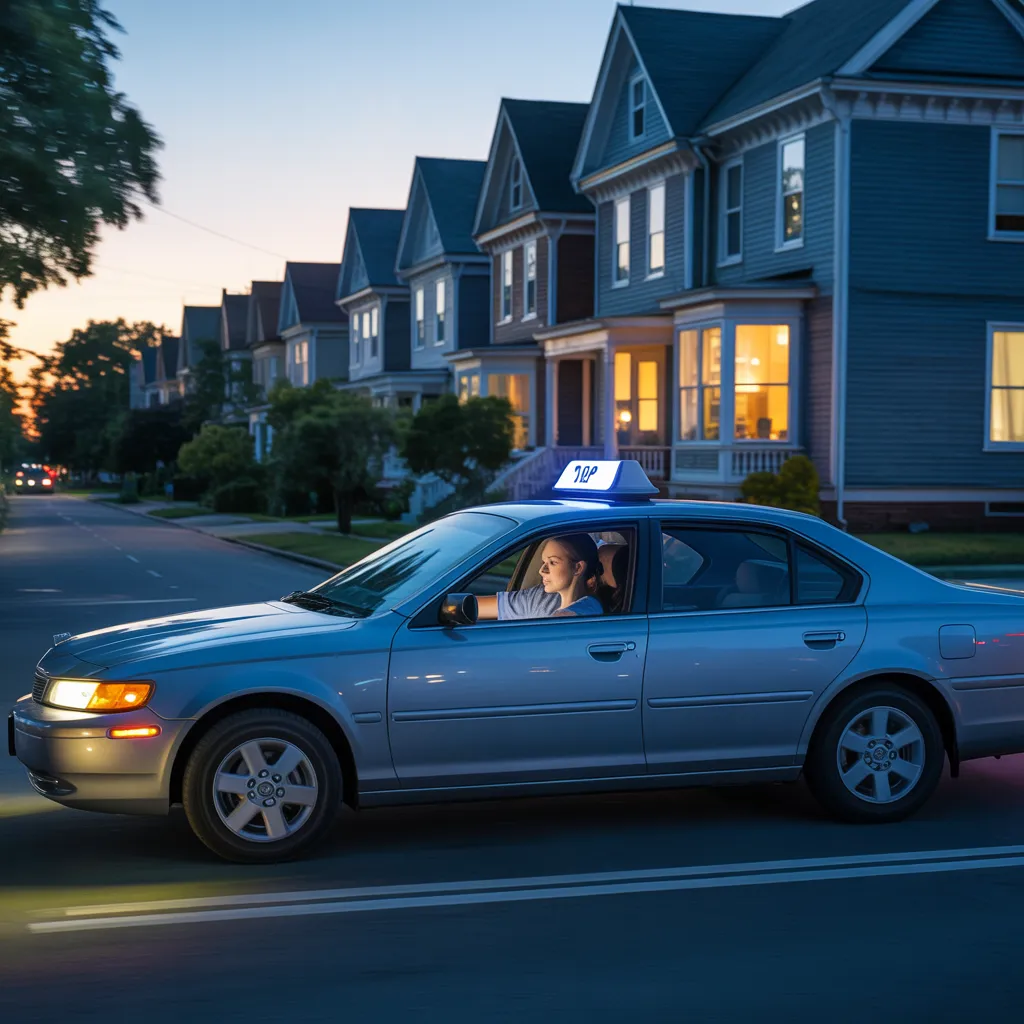
How to Find the Perfect Driving Class for Your Situation
How can someone find the most suitable driving program to meet specific needs? Selecting the ideal driving course requires assessing personal needs, such as previous knowledge, preferred learning approach, and availability. Beginner drivers should consider whether they prefer face-to-face or remote teaching, as well as the ability to arrange sessions around their schedule. Furthermore, examining the reputation of driving schools through feedback and recommendations can provide insight into their effectiveness.
Financial planning is another key aspect, as understanding the fees associated with different programs guarantees the selection suits budgetary limitations. Additionally, prospective students should ask about the credentials of teachers, as skilled instructors can greatly enhance the educational journey. Finally, aspiring road users should determine any specific skills they aim to master, such as highway navigation or defensive driving. By systematically analyzing these elements, individuals can make an informed decision that aligns with their specific driving ambitions and needs.
What Are the Different Kinds of Driving Lessons?
When examining the different forms of driving instruction available, new drivers have the option of individual driving lessons, classroom courses, or web-based instruction. Each option offers unique advantages according to each learner's preferences and timetable. Understanding these differences is essential for selecting the best method for developing driving proficiency.
Individual Driving Lessons
Numerous beginner drivers pursue personal driving tuition to develop their driving skills and self-assurance. Such lessons generally offer individual teaching, facilitating individualized training adapted to every learner's specific needs. Instructors often adapt their teaching methods based on the learner's pace, focusing on particular challenges, such as parallel parking or highway driving.
Individual driving lessons are available in different timing, scheduling, and rigor, making them ideal for people who require a customizable learning plan or require intensive practice before their road exam. Moreover, some driving schools provide specialized lessons, such as protective driving techniques or preparation for particular driving evaluations. In summary, one-on-one driving instruction act as an essential tool for beginner motorists aiming to develop their motoring abilities and road safety knowledge.
Driving Classes for Groups
What alternatives exist for new drivers considering group driving classes? Group driving classes provide a cooperative setting where several students are taught at the same time. These programs commonly incorporate classroom instruction covering road rules, safety procedures, and vehicle management. Students then take part in hands-on driving lessons under the guidance of a certified instructor.
There are various formats for group classes, spanning community-based initiatives to programs provided by driving schools. Certain classes may target specific groups, like teenagers or older adults, while others may cater to beginners of all ages. These programs not only impart fundamental driving skills but also cultivate a spirit of camaraderie between attendees, enhancing the learning experience.
Online Driving Courses
While traditional driving classes remain popular, online driving courses have emerged as a convenient solution for new drivers aiming to acquire key driving knowledge. These courses generally include a variety of topics, including road regulations, defensive driving methods, and risk identification. Offered in multiple formats, they often include instructional videos, engaging quizzes, and printable materials. Some programs even offer live instructor support, allowing students to ask questions in real time. Additionally, online courses are designed to accommodate personal timetables, making them accessible for busy learners. While they may lack the hands-on experience of in-car lessons, many online courses complement practical driving sessions, delivering a well-rounded method of learning to drive. This versatility positions them as an attractive solution for those beginning their driving journey.
What You Can Expect During Your First Driving Lesson
In a new driver's first lesson, the teacher commonly covers the automobile's controls and explains critical safety protocols. This essential overview enables students to appreciate the value of safe driving practices. Once they commence their practical exercises, new drivers will likely concentrate on elementary driving skills and situational awareness.
Introductory Lesson Overview
Interested in learning about what your first driving lesson will cover? Beginners can anticipate a structured introduction to the vehicle and fundamental driving principles. Usually, the instructor starts with a short introduction, explaining the car's controls and safety features. New drivers will discover how to position mirrors, buckle seatbelts, and read dashboard gauges. The class generally focuses on a emphasis on essential skills such as igniting the engine, maneuvering the vehicle, and using the brakes. Driving coaches regularly stress the value of keeping concentration and adhering to road markings. Upon completing the lesson, learners can try driving in a secure, spacious location, gradually building their confidence. In summary, the initial lesson functions as a foundational experience, designed to ease beginners into the world of driving.
Important Safety Guidelines
Following the first lesson covering vehicle familiarization and fundamental maneuvers, new drivers need to understand important safety guidelines to ensure a safe driving experience. To begin with, they should always fasten their seatbelts and ensure every passenger follows suit. Knowing how to operate the vehicle's controls, including headlights, wipers, and turn signals, plays a critical role in maintaining clear communication on the road. Preserving an adequate following distance is key to avoiding collisions, and adhering to speed limits significantly improves driving safety. Novice drivers must remain attentive at all times, steering clear of distractions like mobile phones. Additionally, applying defensive driving strategies—such as anticipating potential dangers and being ready to respond—will substantially increase their likelihood of driving safely. Applying these recommendations ensures a dependable groundwork for cultivating safe and responsible driving practices.
Essential Skills Every New Driver Should Master
Acquiring core driving skills is vital for new drivers as they handle the demands of the roadway. Most importantly, new drivers must develop proficiency in controlled steering, braking, and accelerating to ensure vehicle control. Understanding traffic signs and signals is just as crucial, as it secures conformity with driving rules. New drivers should also practice appropriate lane transition and merging procedures, which are vital for secure road travel.
Additionally, parking techniques, such as parallel parking and handling restricted spaces, develop overall driving proficiency. Defensive driving techniques are essential for identifying potential hazards and reacting suitably to fellow road users. Inexperienced drivers ought to also gain familiarity with the controls and features of their vehicle, encompassing headlights, windshield wipers, and hazard signals.
Finally, developing these abilities builds confidence, empowering new drivers to make well-informed choices and enhance overall road safety. Emphasizing these competencies sets a solid foundation for lifelong responsible driving habits.
A Comparison of Online and In-Person Driving Lessons
As novice drivers evaluate their alternatives for education, the decision between virtual and traditional driving lessons becomes a pivotal decision. Virtual driving courses provide convenience, allowing students to learn at their own pace and convenience. These programs often include engaging videos, modules, and assessments that accommodate various learning preferences. However, the absence of immediate guidance and practical training may challenge certain students.
By comparison, hands-on driving lessons provide immediate engagement with instructors, allowing for prompt feedback and individualized instruction. This practical method can help build essential skills more effectively, as learners gain experience in actual driving environments. Furthermore, in-person lessons foster a sense of accountability and commitment.
Ultimately, the decision depends on each learner's educational preferences, schedules, and comfort levels. A combined strategy, integrating both online theory and in-person practice, is likely to deliver a comprehensive option for most beginner drivers, guaranteeing a complete understanding of core driving principles.
Key Techniques for Building Confidence While Driving
Gaining confidence as a driver is a critical part of developing strong driving abilities, especially for new drivers who have just finished their Driving School training. One proven method is to build experience through frequent practice in different locations, including congested city roads, open highways, and peaceful suburban streets. This broad practice enables novice drivers to grow comfortable with a range of driving scenarios. Another helpful method is to establish realistic milestones, such as perfecting reverse parking or navigating busy intersections, which can enhance their sense of accomplishment.
Furthermore, riding alongside a supportive companion or relative can provide encouragement and constructive feedback, aiding in the reduction of driving-related stress. Learning about vehicle controls and safety features is equally important for new drivers, encouraging a more comprehensive grasp of their car's capabilities. Finally, holding a positive perspective and envisioning successful driving scenarios can considerably strengthen self-confidence. Collectively, these methods build a reliable groundwork for new drivers, empowering them to tackle the road with heightened self-assurance.
Setting Yourself Up for Driving Test Success: Essential Tips
While the prospect of taking a driving test can be intimidating, proper preparation can greatly enhance a new driver's chances of success. As a starting point, reading through the driving handbook is vital, as it contains vital information about road signs, rules, and regulations. Arranging practice sessions with a certified instructor can assist in developing key skills, such as merging into traffic and parallel parking. Furthermore, new drivers are encouraged to become acquainted with the test route, if possible, to reduce anxiety on the test day.
An additional key consideration is applying defensive driving methods, which can impress examiners. On the day of the test, it's wise to come well before your scheduled time, allowing sufficient time to calm your nerves and gather your thoughts. Keeping a relaxed attitude from start to finish is essential; anxiety may result in errors. Finally, projecting confidence while maintaining open dialogue with the examiner can make a lasting good impression, playing a significant role in securing a positive driving test result.

Common Questions and Answers
What Is the Typical Cost of Driving Classes?
Driving lessons generally range between $50 to $150 per session, based on the instructor and area. Multi-session packages may provide savings, while supplementary costs for resources or permits can increase the overall expense.
Am I Able to Take Driving Lessons if I'm Under 18?
Indeed, teens under 18 are able to enroll in driving lessons. Most driving schools have programs especially designed for adolescents, usually including a blend of theoretical training and behind-the-wheel practice to secure complete understanding and awareness of safe practices.
What Items Should I Bring to My Driving Lessons?
A learner must carry a valid learner's license, a notebook to jot down important information, comfortable clothing, and any required forms. Furthermore, bringing a pen, water bottle, and snacks can greatly improve the driving lesson experience.
Are Discounts Available for Group Lessons?
Numerous driving academies extend savings for group lessons, prompting friends and relatives to take lessons together. These reduced rates can vary, so it is recommended for individuals to inquire directly with the particular driving academy for details.
How Long Does It Take to Complete Driving Lessons?
Generally, finishing driving lessons requires approximately 4 to 6 weeks, depending on the individual's schedule and the number of classes taken each week. Factors such as prior experience and learning pace also influence this duration.